Lake Skadar on a Budget: Things to Do Around Virpazar, Montenegro
By Martin · Updated · 8 min read
This page contains affiliate links. Learn more
Most people in Montenegro head straight for the coast at Kotor and Budva. I spent my time volunteering inland, near Lake Skadar, the biggest lake in the Balkans, on a work exchange near Virpazar, and I’d tell anyone to give it a few days. It’s green, quiet and cheap, with mountains all round, and so many places to hike.
Here’s what I did there, plus what I’ve looked into since, with prices so you can plan.
Lake Skadar at a glance
- Where: on the border between Montenegro and Albania, about 30 km from both Podgorica and the coast at Bar. About two-thirds of it is in Montenegro.
- Size: about 370 square kilometres, the largest lake in southern Europe, and it grows and shrinks with the seasons.
- Protected: the Montenegrin side has been a national park since 1983, and the lake is a wetland of international importance under the Ramsar Convention.
- Wildlife: around 280 kinds of bird, including the Dalmatian pelican, the park’s symbol, and 48 kinds of fish.
- The main village: Virpazar, where the road and railway cross the lake. It’s mostly restaurants, boat-trip kiosks and one shop.
Why go
- It’s a national park on a huge lake, with water lilies, reed beds and pelicans, and mountains rising straight out of the water.
- It’s cheap. Montenegro uses the euro, and inland prices are much lower than on the coast.
- It’s great for hiking: there are trails all round the lake and up into the hills, with views over the water.
Things to do around Lake Skadar
Swim and kayak
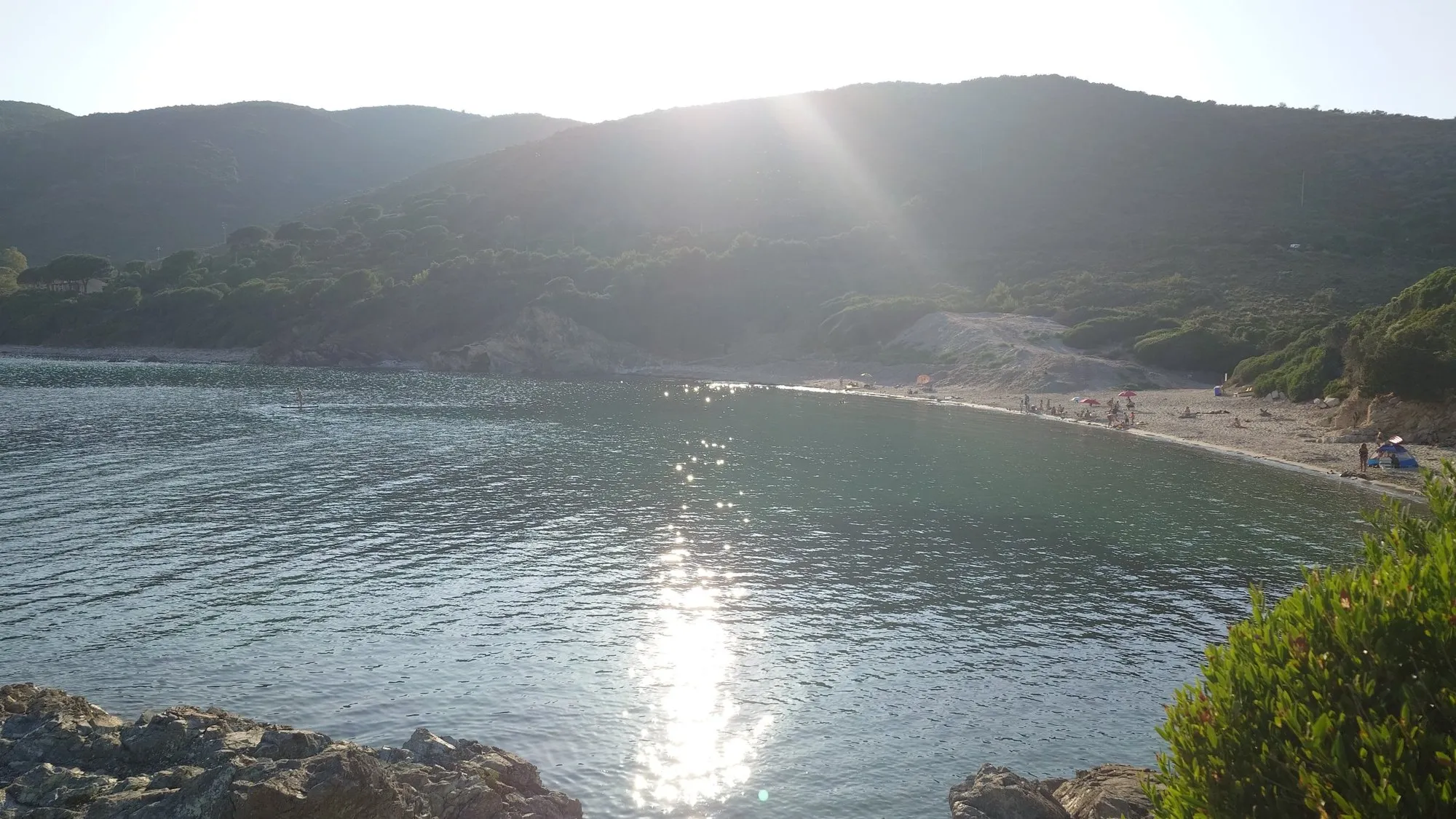
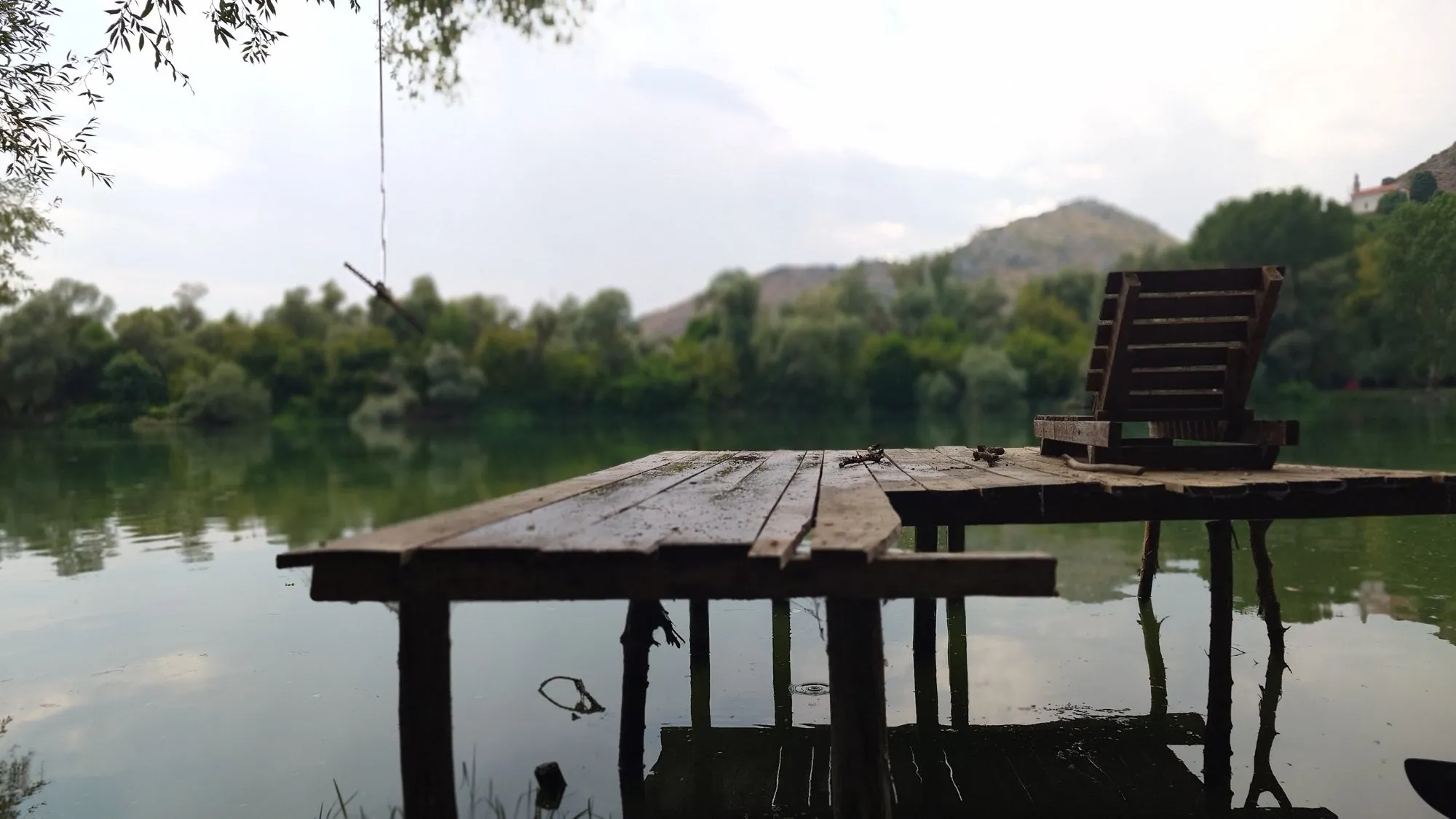
I kayaked on the lake a lot while I was there, and some of my best days were the simplest: paddling out from a swimming spot off the lake, with old wooden jetties to jump from. There are quiet spots like this all round the shore. A full kayak day is long, though, so start early and take breaks in the shade.
You can hire a kayak in Virpazar. When I checked, prices started from around €5 an hour or €20 a day. Bring plenty of water and sun cream, as there’s not much shade out on the lake.
Take a boat trip from Virpazar
The classic way to see the lake. Boats leave Virpazar harbour for trips through the lily pads and out to the islands and old fortresses.
- Group trips of 2 to 3 hours started from around €15 to €25 when I checked.
- The national park entry fee is extra: €5 a day for anyone going out on the water, whether on a tour or in a kayak. If you’ll visit several Montenegrin national parks, an annual pass cost €13.50.
- Watch out for touts in Virpazar pushing overpriced trips. Compare a few boats before you pay, or book ahead.
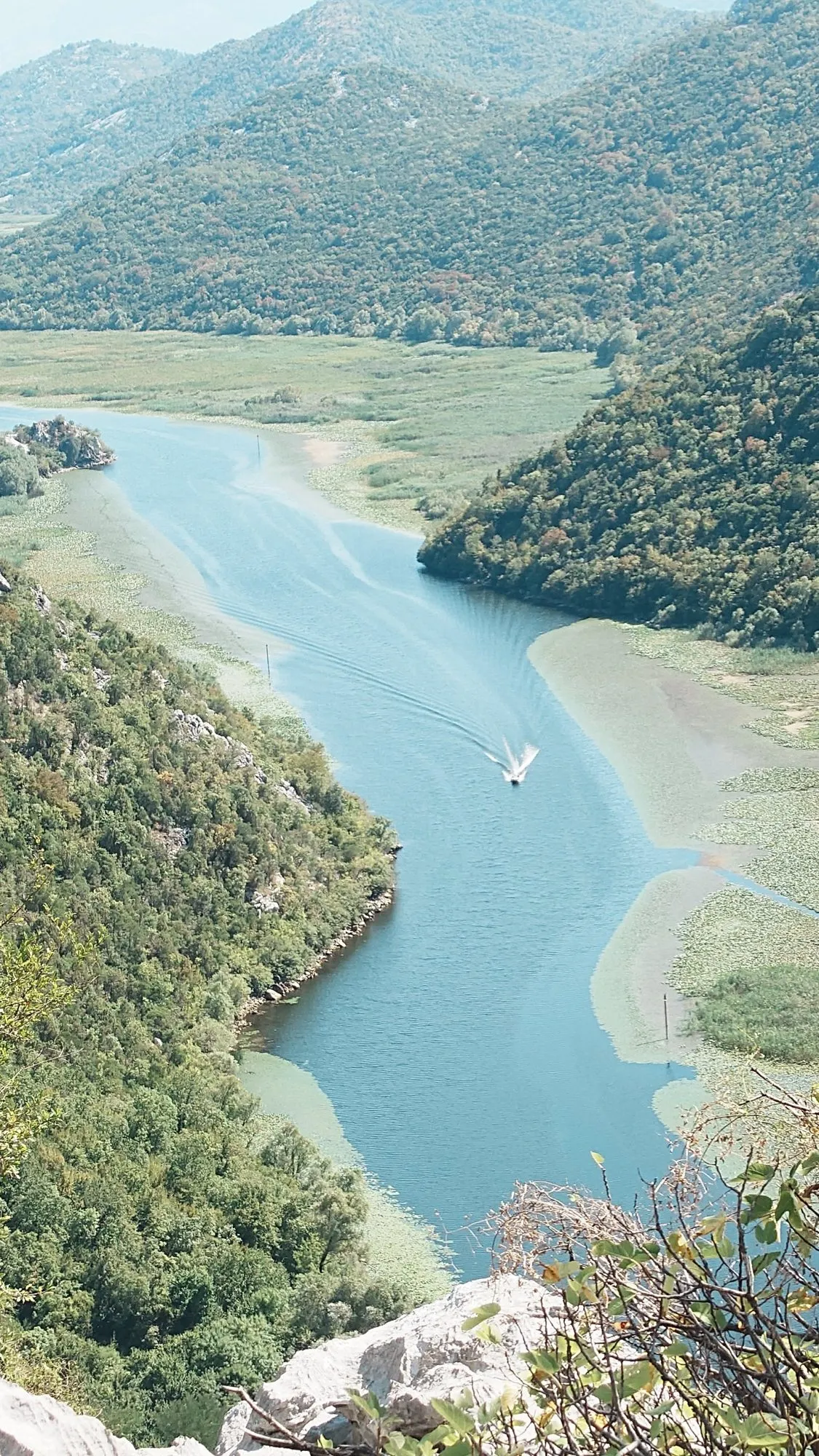
See the view from Pavlova Strana
This is the famous view of Lake Skadar: the Crnojević River looping round a hill in an almost perfect horseshoe. It’s free, with a small car park and a restaurant at the viewpoint.
- It’s about 30 minutes’ drive from Virpazar, on a very narrow, winding road where two cars can barely pass.
- Go early. The light is best in the morning, before the haze and the coach tours.
Visit Rijeka Crnojevića
Just below the viewpoint, the little riverside village of Rijeka Crnojevića has an old arched stone bridge and a few konobas (taverns) on the water. Local specialities include carp from the lake and priganice, fried dough with honey. It’s a good stop for lunch on the way to or from Pavlova Strana.
Climb up to an old fortress
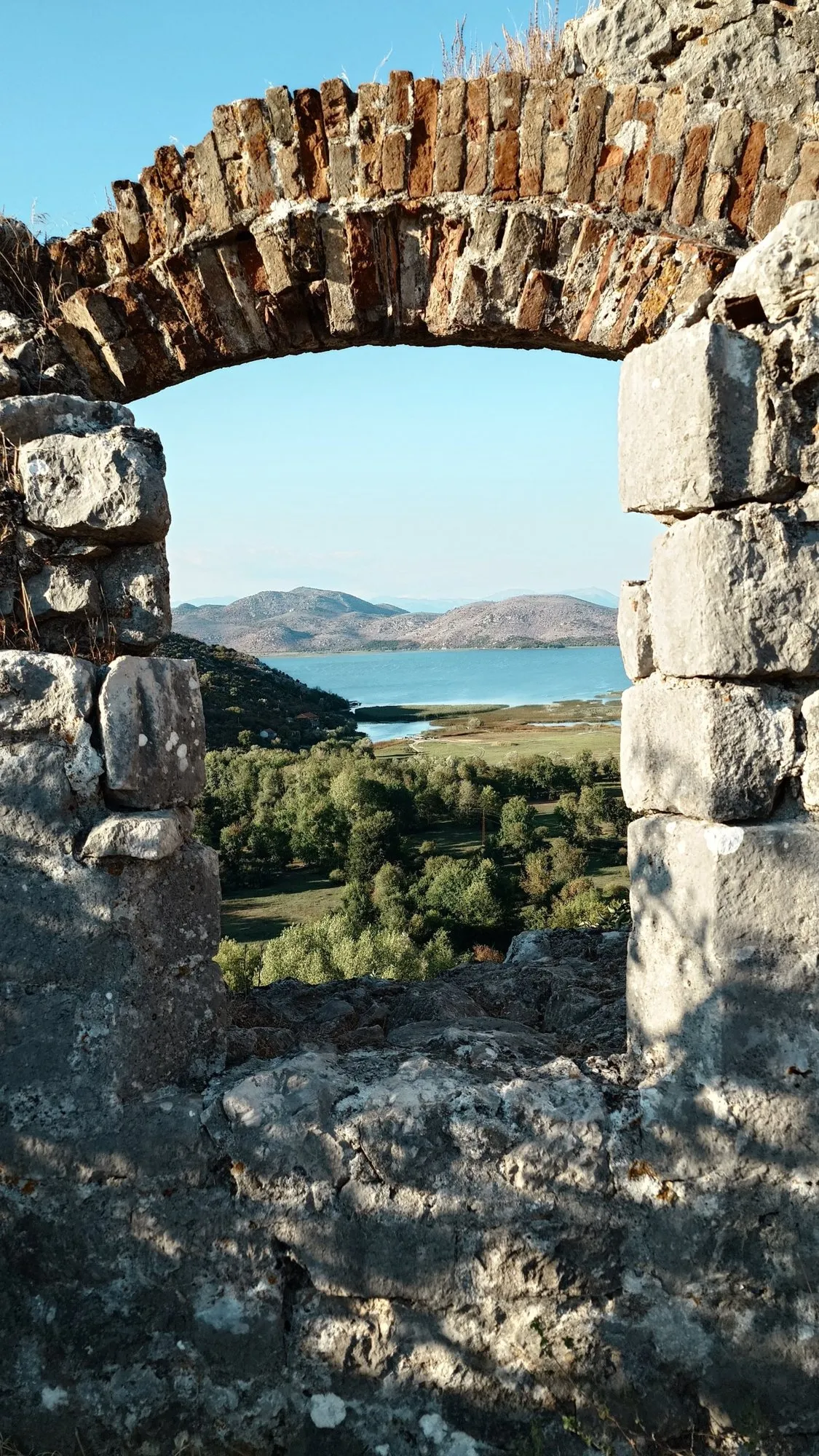
The lake is ringed with old fortresses and castle ruins, some on islands and some on the hills. I went up to Besac for this view over the lake.
Besac Fortress is the easy one: it’s on the hill about 750 metres from Virpazar, and when I checked, entry was €2.
Swim under Oraošnica waterfall
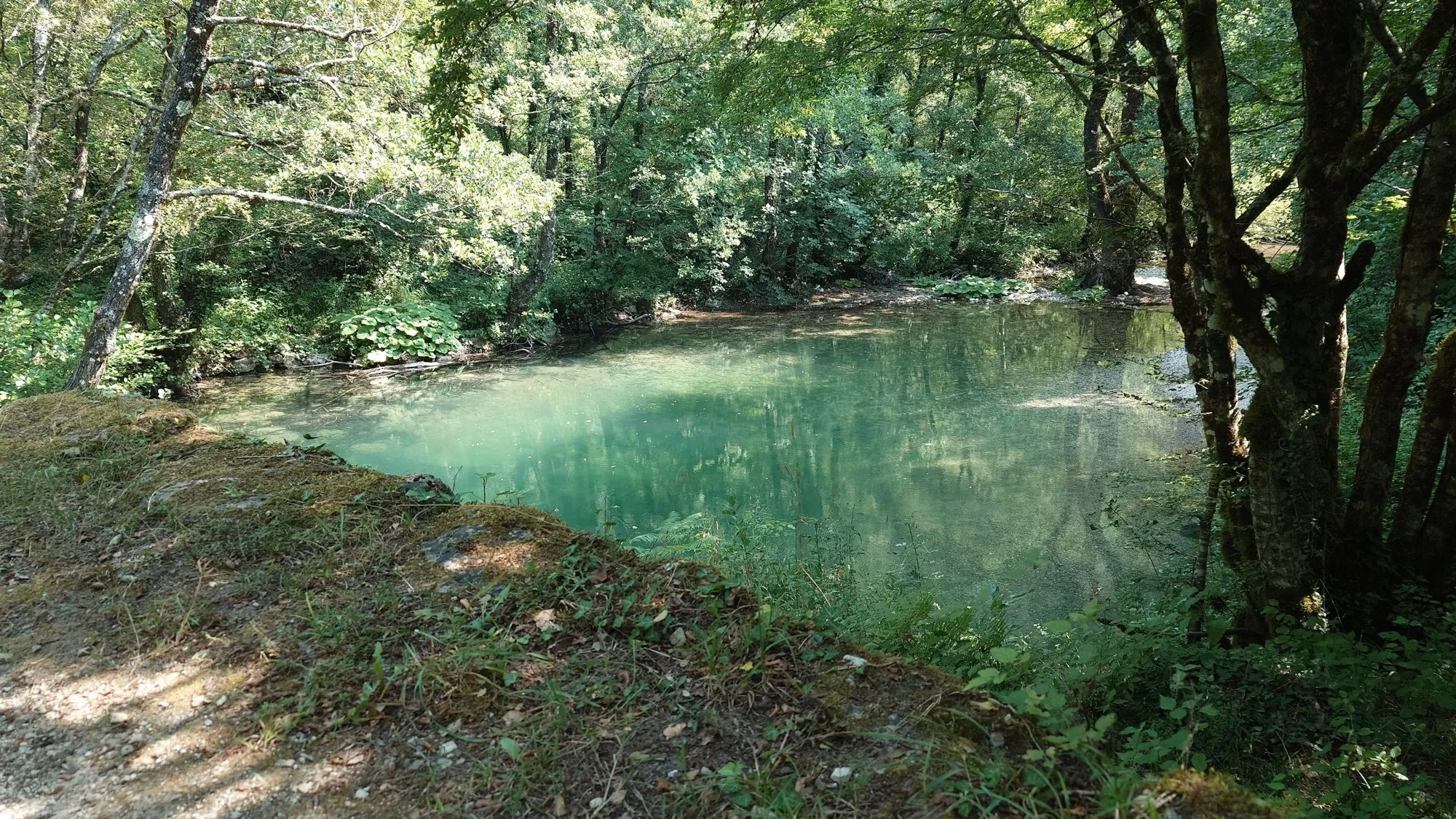
The rivers that run into the lake have some beautiful swimming spots, and my favourite was the Oraošnica (Orahovštica) waterfall: a pool under a waterfall where you can jump in from about 4 metres. The water is very cold, even in summer, which is exactly what you want after the walk in.
- Getting there: it’s about a 30-minute hike, and it’s very hard to find. There are no proper signs, so ask the locals in the villages around Virpazar to point you the right way.
- Before you jump: check the depth first, and go in feet first.
- Bring: water shoes or sandals for the rocks, and something warm for afterwards.
The rivers around the lake also have quieter pools like this one, a local favourite.
Try the local wine
The lake is wine country. Vranac is the main red grape in Montenegro, and the village of Godinje, a few kilometres south of Virpazar, is known for small family wineries and tastings. Local wine is very good value, even in restaurants.
Look out for the wildlife
Lake Skadar is full of life, and not just birds. Where I stayed, there were wild tortoises, which were amazing, plus grass lizards, badgers, grasshoppers everywhere, spiders and scorpions. None of it caused me any trouble, but if you’re staying somewhere rural, use a mosquito net, shake out your shoes in the morning and keep a torch handy.
Spot pelicans
Lake Skadar is one of the last places in Europe where Dalmatian pelicans breed. You can see them all year, but April and May are best, when they’re nesting. In summer they hide in the reeds, so go early in the morning.
Day trip: Bar and the coast
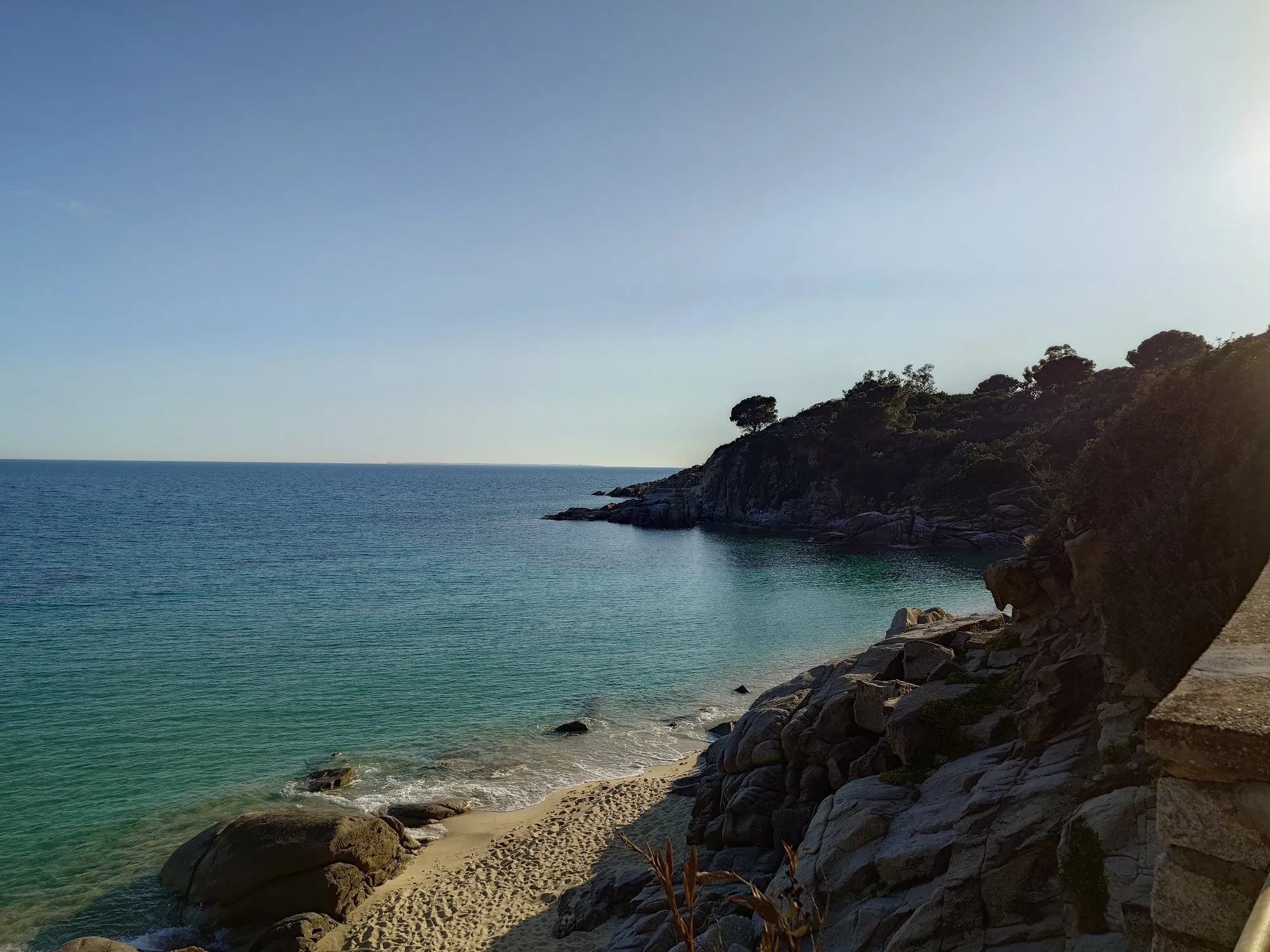
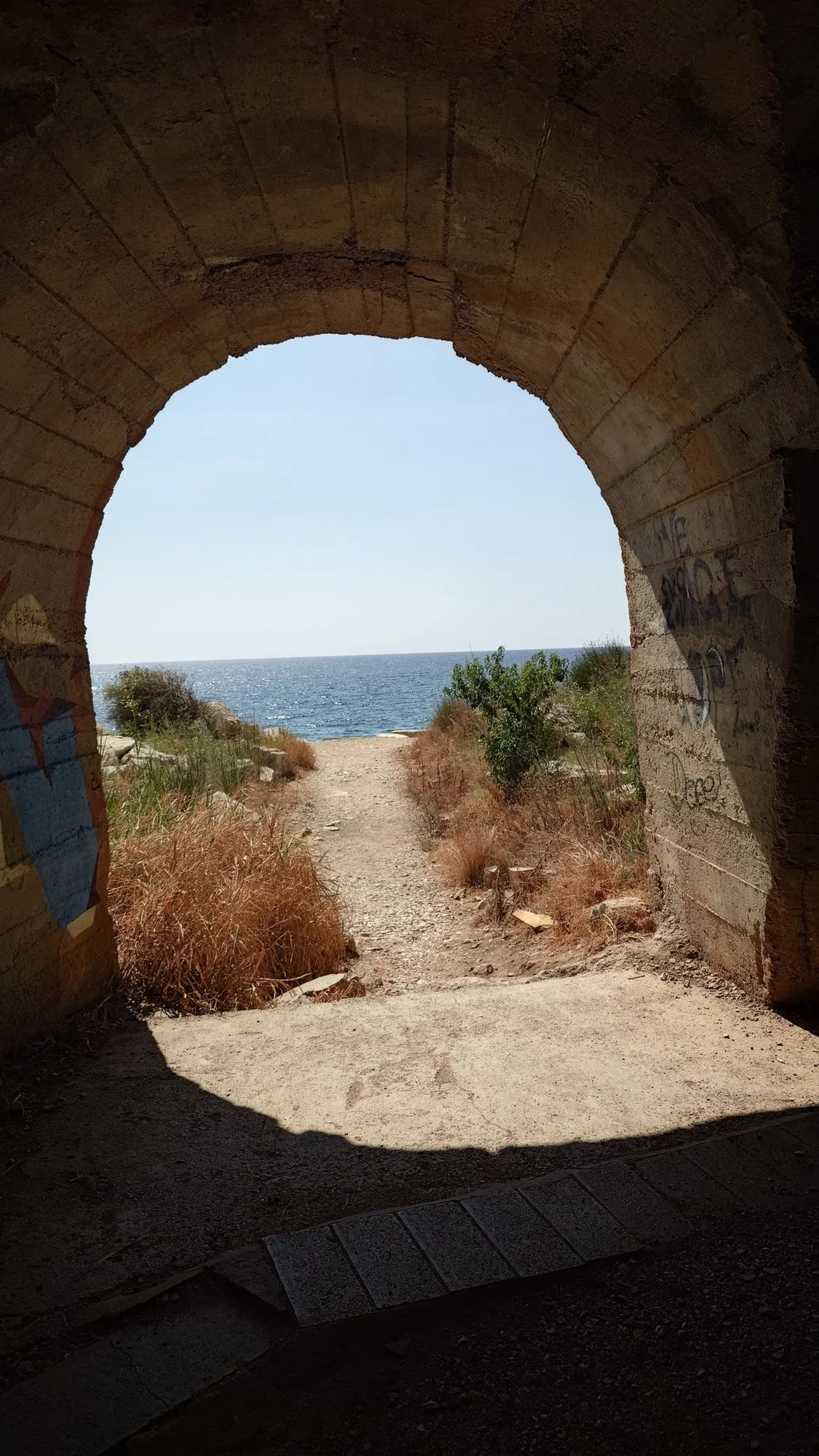
Bar is the closest bit of coast, and it’s on the same railway line as Virpazar. It’s a port town rather than a beach resort, but it’s an easy day out. I found an old stone tunnel out to the sea near an abandoned hotel, and the ruins of Stari Bar, the old town, are inland above the modern town.
Bar also has ferries across to Bari in Italy, which is handy if you’re travelling overland. I crossed from Bari into Albania instead, and my Bari to Durrës ferry guide covers that route.
Getting there and around
- Flying in: Podgorica airport is the closest, so check it first; Tivat on the coast is the next option if it suits your route better. Here’s Tivat airport to Podgorica by bus, and what caught me out.
- By train: Podgorica to Virpazar takes about 30 minutes, and the fare was about €1.20 when I checked. The station is a few minutes’ walk from the harbour, and there’s no ticket office, so buy your ticket on board. The trains weren’t reliable when I was there, so don’t rely on them for a tight connection.
- By car: much the easiest way to reach Podgorica, Bar, Pavlova Strana, Rijeka Crnojevića and Godinje, but the roads are narrow and winding. See the driving tips below. Localrent lists local Montenegrin rental companies, and here’s how to rent a car abroad without overpaying.
- By bike: you can hire bikes in Virpazar, but expect hills.
Driving in Montenegro: what to know
- Headlights on, day and night. Dipped headlights are required in the daytime too, and it’s one of the things police check.
- A quick beep means thank you. Drivers often toot the horn to say thanks, for letting them past for example. It can sound rude if you’re not used to it, but it isn’t.
- On narrow roads, the bigger vehicle usually gets the right of way. If you’re in a small car, expect to pull in or reverse to a passing place. If you’re driving something big, like a van or a campervan, don’t be afraid to hold your ground.
- Watch the drains. On the bigger roads, the tops of the drain grates are missing in places, and hitting one can damage a tyre.
When to go
- April to June: the best time, with pelicans nesting, water lilies starting to bloom, and temperatures of about 20 to 26°C.
- July and August: very hot, up to the high 30s. Do everything before about 10am and spend the afternoon in the water.
- September and October: warm, quieter, and grape harvest time.
Before you go
- Montenegro isn’t in the Schengen area, so days here don’t count towards your Schengen 90. That’s why so many long-term travellers spend time in the Balkans. Here’s the Schengen 90/180 rule explained, and my Balkans days calculator counts Montenegro’s own limit.
- Phone data: my Revolut eSIM plan covered Albania and Montenegro together, but not North Macedonia, so check which countries a plan covers before you buy. Here’s Revolut for travel and how to choose a travel eSIM.
- Carry some cash for boats, kayaks and small konobas.
Heading further into the Balkans? Lake Ohrid was my favourite place in the region, and it’s even cheaper.
FAQ
Where can you swim near Lake Skadar? My favourite spot was the Oraošnica (Orahovštica) waterfall, a very cold pool you can jump into from about 4 metres. It’s a 30-minute hike and hard to find, so ask locals around Virpazar for directions.
Is Lake Skadar worth visiting? Yes, especially if you want a quieter, cheaper side of Montenegro away from the coast. Give it at least two or three days.
How much is a boat trip on Lake Skadar? Group trips from Virpazar started from around €15 to €25 when I checked, plus the €5 national park fee.
How do you get to Lake Skadar without a car? Take the train from Podgorica or Bar to Virpazar. From Podgorica it takes about 30 minutes, but the trains weren’t reliable when I was there.
How big is Lake Skadar? About 370 square kilometres, the largest lake in southern Europe, shared between Montenegro (about two-thirds) and Albania.
Is there an entry fee for Lake Skadar National Park? Yes, €5 a day if you go out on the water, by boat or kayak.
Where is the Pavlova Strana viewpoint? Above Rijeka Crnojevića, about 30 minutes’ drive from Virpazar. It’s free.
When is the best time to visit Lake Skadar? April to June, for pelicans, water lilies and comfortable temperatures. July and August are very hot.