Visiting Pianosa: A Day Trip to Tuscany’s Old Prison Island
By Martin · Published · 7 min read
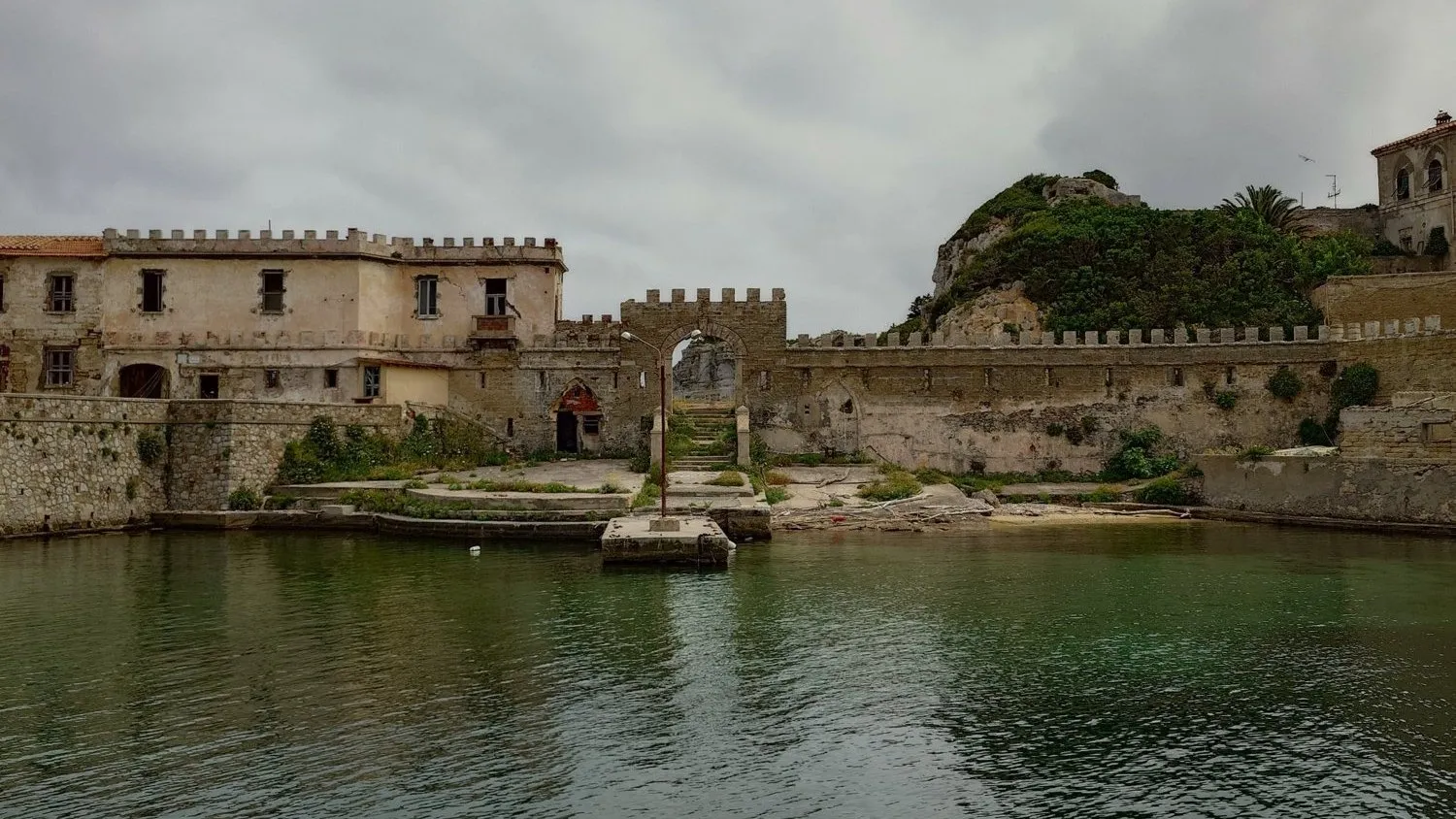
Pianosa is a small, flat island about 14 km south-west of Elba. For almost 150 years it was a prison island, and for a time it held some of Italy’s most dangerous Mafia bosses. Today it’s protected as part of the Tuscan Archipelago National Park, almost nobody lives there, and visits are capped at a few hundred people a day, which is exactly why it’s worth going.
I went over on a day trip from Marina di Campo during my second stay on Elba, and we toured the island by bike. Here’s how it works, what you’ll see, and the island’s story.
Pianosa at a glance
- Where: in the Tuscan Archipelago, about 14 km south-west of Elba.
- Size: about 10 square kilometres, and almost completely flat. The highest point is just 29 metres above the sea, which is where the name comes from: the Romans called it Planasia, “the plain”.
- People: almost none. The prison closed in 1998, and the island has been all but empty since.
- Protected: part of the Tuscan Archipelago National Park, with the sea around it a marine protected area since 1996.
- Visiting: by boat, mostly from Marina di Campo on Elba, with a guided tour to see anything beyond the harbour village.
The short version
- One boat a day from Marina di Campo: it takes you there in the morning and brings you back in the afternoon, so it’s a full day. Mine was about €30 return from Marina di Campo.
- You need a tour to see the island. On your own, you can only walk around the village by the harbour and the beach next to it. You can do the tour on foot, by horse and cart, or by bike. We went by bike: it was flat, easy and fun.
- Sign up for your tour on the boat. Then it starts as soon as you get off. Tours cost from about €10 to €30, depending on which one you do.
- Bring food and water. It’s quite expensive in the only shop there.
- Book ahead. Numbers are capped each day.
Getting there
When I checked, these were the main ways over. Timetables change every year, so check before you plan around them.
| From | Boat | How often | Times |
|---|---|---|---|
| Marina di Campo (Elba) | Aquavision | Daily in season | Leaves about 10am, about 45 minutes; back from Pianosa about 5pm |
| Piombino (mainland) | Aquavision, via Marina di Campo | Daily in high season | Leaves 8:30am; back about 7:30pm |
| Rio Marina (Elba) and Piombino | Toremar | Tuesdays | Leaves Piombino 8:20am and Rio Marina 9:20am; back from Pianosa about 2pm |
I paid about €30 return from Marina di Campo. When I checked for 2026, it was about €40 for an adult. Boats run from around mid-April to the end of October.
Coming from the mainland? Here’s how to get from Pisa to Elba by train and ferry, or take the boat straight from Piombino.
A short history of Pianosa
I’m not going to remember everything the guide told us, so I’ve read up on it since. These are the parts that stuck, and the ones you’ll see on a tour.
Roman exile. In about 6 or 7 AD, the emperor Augustus exiled his grandson, Agrippa Postumus, to Pianosa. He lived in a seaside villa with its own theatre and baths, until he was killed around 14 AD, when Tiberius became emperor. The remains, known as the Bagni di Agrippa (Agrippa’s Baths), are one of the sights on the tours.
Early Christians. In the 4th century, a small Christian community lived on the island. Their two-level catacombs are the largest north of Rome, and you can visit them with a guide.
Pisa, Genoa and Napoleon. In the Middle Ages, Pisa and Genoa fought over the island. In the Napoleonic era it was handed to Napoleon’s sister, Elisa Bonaparte, and Napoleon himself visited and had the tower rebuilt. The British landed in 1809 and destroyed the forts.
The prison island. In 1856, the Grand Duke of Tuscany founded a penal colony here, and for the next century prisoners farmed the island. In the 1970s, part of it became a maximum-security prison for Mafia bosses and Red Brigades terrorists. After the murders of the anti-Mafia judges Falcone and Borsellino in 1992, it reopened under Italy’s strictest prison regime. The last high-security prisoners left in 1997, and the prison closed for good in 1998.
Since then, the island has been left largely to nature. Because the coast was out of bounds for so long, the sea around it is full of fish, like grouper and moray eels, which is why fishing, diving and anchoring need special permission.
Seeing the island: bike, horse and cart, or on foot
Most of Pianosa is off-limits unless you’re with a guide, partly because it’s protected and partly because of the island’s past as a prison. The tours are run through the national park, and the options I found when I checked were:
- By bike: mountain bike tours of the north or south of the island, one of them including the old prison. We did a bike tour without the prison, which was cheaper; our guide still stopped to point out the prison and another building where prisoners were kept. Pianosa is very flat, so it’s easy, and you cover far more ground than on foot.
- By horse and cart: a slower, easier way round the old village and the historic sites.
- On foot: guided walks, including nature and archaeology routes, and a visit to the village and the catacombs.
- Snorkelling and kayaking around the bay by the harbour.
Depending on the tour, you’ll see the old prison buildings and the village around the harbour, the Roman baths, the catacombs, and the island’s small museum of geology and archaeology. The landscape is open farmland and scrub, with views out to Elba and Montecristo.
How to book: you can sign up for a tour on the boat over from Marina di Campo, which is what we did, so it starts as soon as you get off. You can also book ahead on the park’s Info Park website, which is safer in July and August. Tours cost from about €10 to €30, depending on which one you choose.
Some sights have their own small entry fees. When I checked, the catacombs were €5 for an adult. In spring there were also special departures from Piombino with the boat, the island ticket and a guide included, for €65.
Swimming
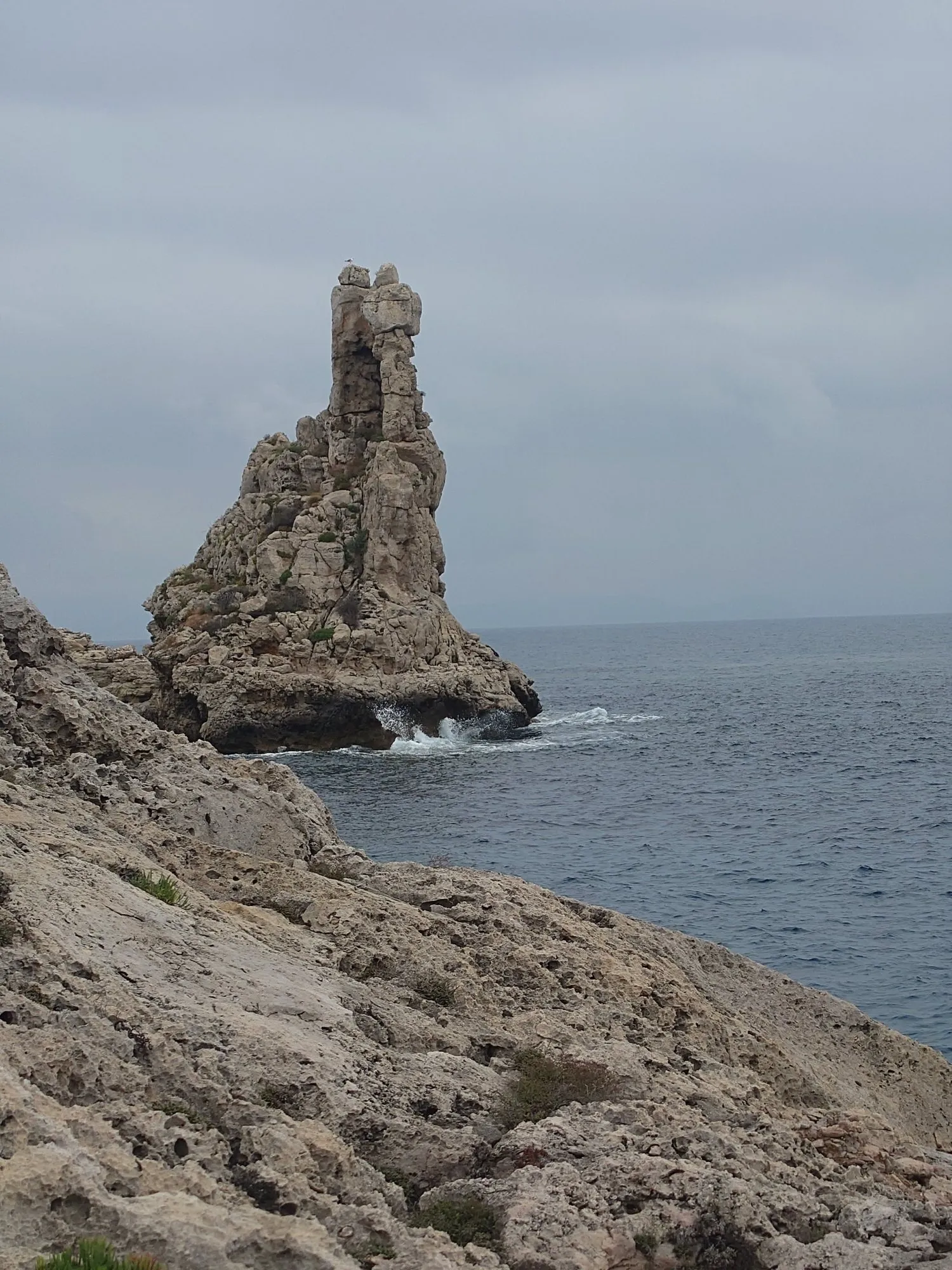
You can only swim at Cala Giovanna, the sandy beach right next to the harbour. The rest of the coast is protected, and swimming there isn’t allowed. Bring a mask: the water is shallow and very clear.
Food and money
It’s quite expensive in the only shop there, so bring things with you. There’s a bar and restaurant by the harbour, but it gets busy in summer. I’d pack a picnic and plenty of water, and buy them in Marina di Campo or Piombino before you get on the boat.
Tips
- Go in June or September. It’s warm enough to swim, and the boats are less likely to be full than in July and August.
- Book as early as you can in summer, as places run out.
- Wear sun cream and a hat. Pianosa is flat and open, with very little shade on a bike.
- Check the access ticket. The park has announced an island access ticket of €9 from 2027, so check what’s included when you book.
There’s more to do on the main island in Elba on a budget, and if you like a challenge, hiking Monte Capanne is the best thing I did there.
FAQ
Can you visit Pianosa? Yes, as a day trip by boat from Elba (Marina di Campo or Rio Marina) or from Piombino. Numbers are capped, so book ahead.
Do you need a tour to visit Pianosa? To see most of the island, yes. On your own, you can only walk around the village by the harbour and swim at Cala Giovanna. Tours go on foot, by bike or by horse and cart.
How much does it cost to visit Pianosa? I paid about €30 for the return boat from Marina di Campo, and tours were about €10 to €30 each. When I checked for 2026, the boat was about €40. Bring your own food, as the shop is expensive.
How long is the boat to Pianosa? About 45 minutes from Marina di Campo on Elba when I checked. From Piombino it takes a little over two hours, with a stop at Marina di Campo.
Why is Pianosa called the prison island? From 1856 to 1998 it was a penal colony and later a maximum-security prison, which held Mafia bosses in the 1970s and again in the 1990s. It closed in 1998.
Who lives on Pianosa? Almost nobody. Since the prison closed, the island has been nearly empty, apart from a few people who look after it and the small hotel and bar by the harbour.
Can you swim on Pianosa? Only at Cala Giovanna, the beach by the harbour.
Is there food on Pianosa? There’s a bar and restaurant by the harbour, and one shop, which is quite expensive. Bring a picnic and water.